


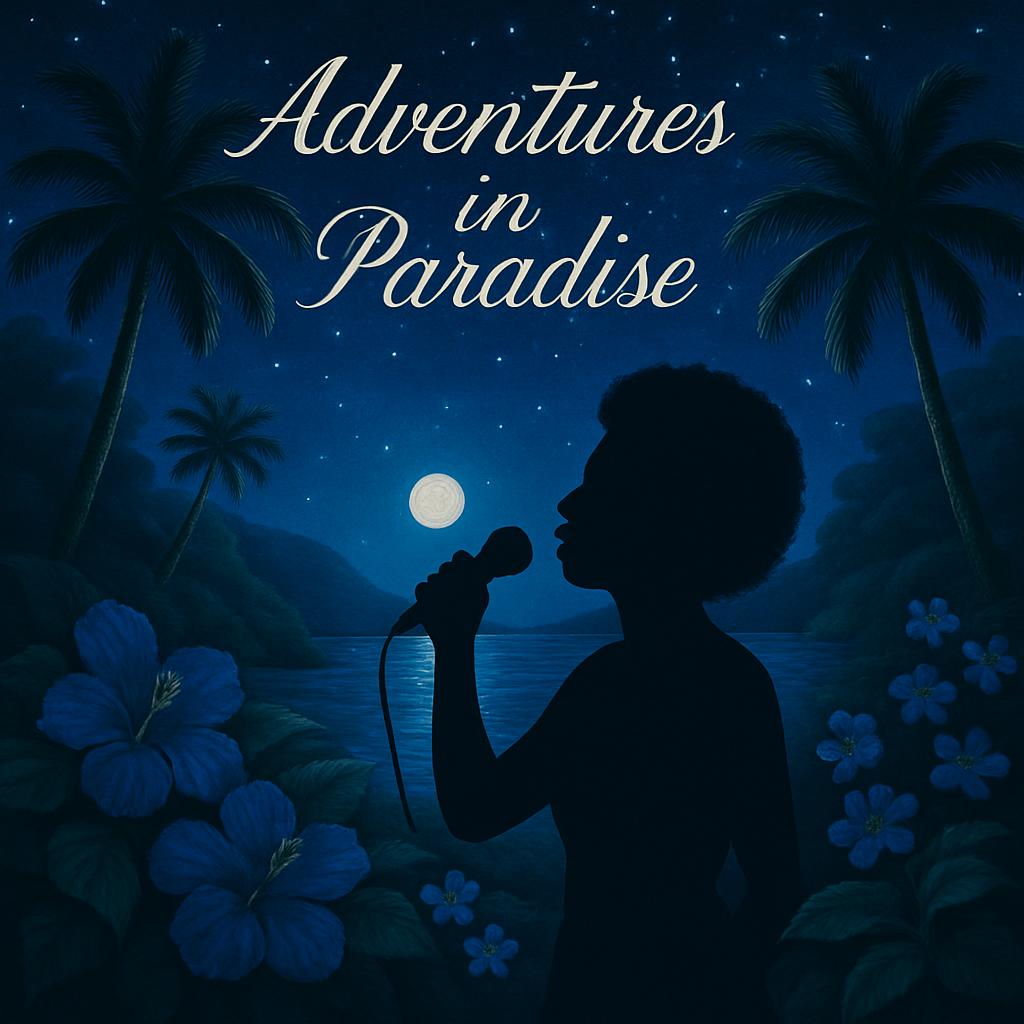
Minnie Julia Riperton Rudolph, born in Chicago, Illinois, was a woman with the extraordinary talent to produce a five-octave vocal range, also known as a coloratura soprano. By the age of 15, Minnie had begun her career as a professional singer, working as a backup vocalist for the band the Gems. With low success, this was not the end of Riperton’s future. By 1975, Riperton’s hit song “Lovin’ You” was placed at No. 1 on the Billboard Hot 100. But I strongly believe that the other songs produced on the same album as “Lovin’ You” deserve the same amount of recognition and love, as I believe this is one of the most romantic, sensual albums ever published. Adventures in Paradise is an album that explores a sexy yet classy sound that Riperton conveys with her surreal vocals across 10 tracks.
Starting with the song I had on repeat for weeks, “Baby This Love I Have,” co-created by Leon Ware, uses a jazz-kissed beat to express what one feels when they have a strong desire for love but never feel fulfilled. Riperton owns her needs with this song while her voice dances around the sultry funk. This song simply feels delicious to listen to; it’s impossible to ever skip it.
The second song featured is “Feelin’ That Your Feelin’s Good.” The message behind this song empowers listeners to embrace others’ emotions and be open to different perspectives; sometimes, it could make things right. This song focuses on the beauty of finding self-acceptance and inner strength. The third track, “When It Comes Down to It,” smoothly transitions from the restraint Riperton uses with her voice in “Feelin’ That Your Feelin’s Good” to the upbeat tempo of “When It Comes Down to It.” Like the second track, the urge to stay true to yourself through the midst of life’s challenges is key.
“Minnie’s Lament,” the fourth track, is a four-minute-and-12-second song with fewer than 40 lyrics. Yet a lush, almost magical instrumental showcases the emotional drive and pain one feels when someone quietly removes themselves from your life. The lyrics emphasize the sorrow felt when it seems as if you never existed in the other person’s life. This song is perfect to listen to when you need to reminisce about a past love you once had.
As for “Love and Its Glory,” it switches from a slow, reminiscent beat to a song that tells a story — one that Riperton, her husband Richard Rudolph, and bassist Ed Brown wrote for her children. Like most songs on the album, Riperton expresses the importance of being true to your heart in order to be free and satisfied with oneself. The fifth track then goes on to provide a reason to keep going. “Adventures in Paradise” utilizes a higher funk beat, with growls and strains added to the song where Riperton’s passion is undeniable. The meaning behind the piece tells listeners that life is an adventure, and it is up to you whether you take the good from the situations you are put in or only acknowledge the bad.
“Inside My Love” holds its own significance within the album, as it helped bring Riperton to success. Even though it was a top hit, some found it ambiguous and believed the lyrics were shameful. I personally disagree; I believe this song deserves the pedestal it was put on. To me, the lyrics have a deeper meaning involving emotional closeness rather than physical touch. The classic slow-jam funk and Riperton’s high whistle notes add the perfect touch to lyrics that describe the unbearable desire to achieve true and profound vulnerability through spirit and connection with another being.
“Alone in Brewster Bay” explores the theme of bittersweet nostalgia. It is one of the slower songs on the album, like “Minnie’s Lament,” but features an English folk-inspired acoustic melody that Rudolph plays while Riperton conveys intense loneliness with lyrics like, “Then I close my eyes and I search the skies for a sign of you thinking of me.” Riperton does an amazing job of evoking feelings you had forgotten you had.
“Simple Things,” I believe, was meant to serve as a reminder to always find joy in daily life, regardless of the issues we might be going through. The song has a more feel-good and breezy melody. In the context of sunsets, dawns and rain, Riperton repeats, “Oh, the simple things, the lovely simple things,” showcasing that the beauty of daily life holds more value than material wealth.
To end the album, “Don’t Let Anyone Bring You Down” focuses on happiness — being happy even in a hostile world, rejecting criticism and always being yourself. This is a perfect closing track, as it serves as the final reminder Riperton beautifully sings to encourage self-preservation.
Overall, I would give this album a 10 out of 10. It is sad to know that Riperton did not get the chance to produce and release more music, as her talent was unmatched, with a sweet tenderness that is soul-touching. Not only was her voice angelic, but her lyrics were always romantic, relatable or motivational.
